Institutions Hosting the Program

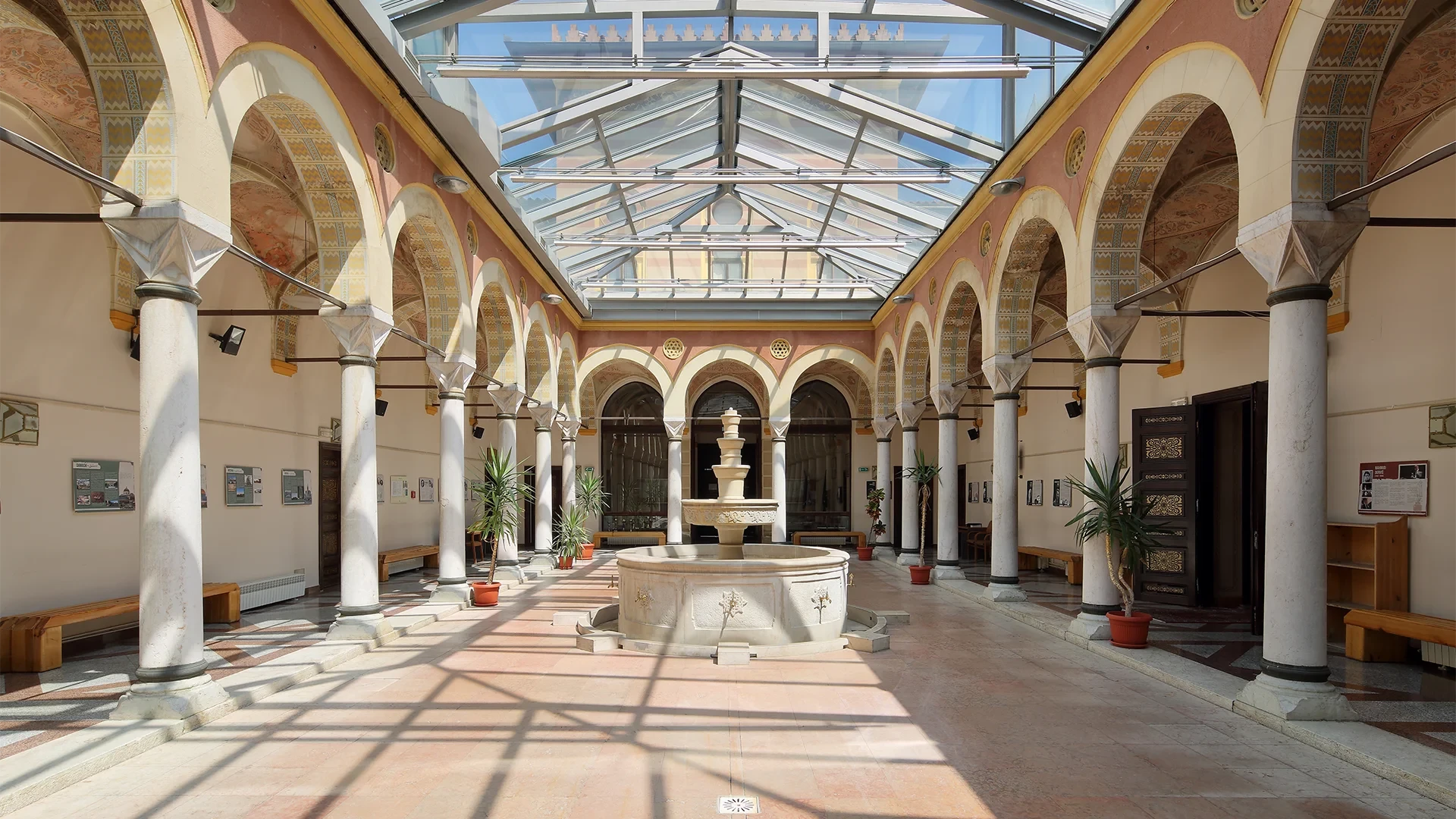
  • Partner: Faculty of Islamic Studies (FIN), University of Sarajevo
    Faculty of Islamic Studies (FIN), University of Sarajevo
  • Partner: Catholic Faculty of Theology (KBF), University of Sarajevo
    Catholic Faculty of Theology (KBF), University of Sarajevo
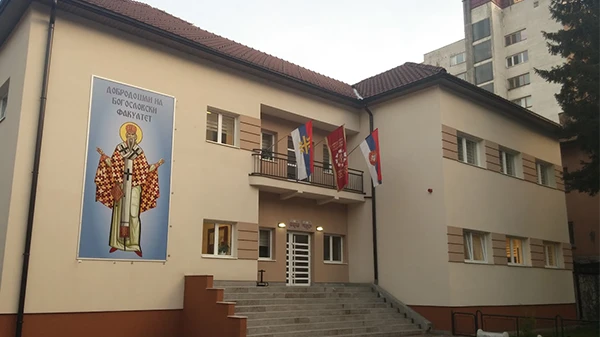
  • Partner: Orthodox Faculty of Theology "Saint Basil of Ostrog" in Foča, University of East Sarajevo
    Orthodox Faculty of Theology "Saint Basil of Ostrog" in Foča, University of East Sarajevo

Basic Information

The Master's program "Interreligious Studies and Peacebuilding" in Bosnia and Herzegovina represents a unique and innovative academic initiative designed as a response to the specific needs of a post-conflict society. It aims to valorize the pluralism of Bosnia and Herzegovina and offer an academically innovative program.

Duration and ECTS Credits
Basic Information

Three Faculties, Two Universities, One Master’s Program

The joint interdisciplinary Master’s program in Interreligious Studies and Peacebuilding is organized by three theological faculties in Bosnia and Herzegovina: the Faculty of Islamic Studies and the Catholic Faculty of Theology at the University of Sarajevo, and the Orthodox Faculty of Theology of Saint Basil of Ostrog in Foča, University of East Sarajevo.

Interdisciplinary, Interreligious, and Applied Nature of the Master’s Program

The Master’s program in Interreligious Studies and Peacebuilding is organized from the academic fields of theology and religious studies, combined with insights from peace studies and the sociology of religion. Unlike theoretical modules focused on fundamental knowledge and concepts, applied modules emphasize solving real-world problems, developing practical skills, and gaining hands-on experience. Through the applied module, students are guided to practically apply the knowledge and skills they acquire.
Lecturers include distinguished domestic and international professors, experts with internationally recognized credentials for the respective modules. The first peace studies program was established in 1948, and today there are more than 500 such programs worldwide according to the International Peace Research Association (IPRA).

Mission of the Interreligious Studies and Peacebuilding Program

The mission of the Interreligious Studies and Peacebuilding program is to educate and equip a new generation of experts, leaders, and practitioners who will actively contribute to peacebuilding and reconciliation in a pluralistic society. Through in-depth understanding of different religious traditions, their teachings on peace and conflict, and the role of religion in society, the program aims to foster critical thinking, empathy, and dialogue skills.

Our goal is to provide students with theoretical knowledge and practical tools to:

  • Analyze and understand the roots of religiously motivated conflicts as well as the peacebuilding potential of religions.
  • Facilitate and lead interreligious dialogue as a key instrument in overcoming prejudice, building trust, and promoting mutual respect.
  • Develop and implement peacebuilding projects that integrate religious dimensions, whether in local communities, post-conflict areas, or globally.
  • Encourage cooperation and coexistence among members of different religious and ethnic groups by recognizing shared values and differences.
  • Apply ethical principles and promote social justice in all aspects of peacebuilding activities.

Through interactive teaching, case studies, and collaboration with religious communities and NGOs, the program prepares graduates to become agents of change and contribute to building a more just, tolerant, and peaceful world.
About Section

About Section

The background of the Master’s program "Interreligious Studies and Peacebuilding" in Bosnia and Herzegovina is deeply rooted in the country’s specific historical, religious, political, and social context, particularly in the aftermath of the armed conflicts of 1992–1995. Initiated in 2017 as a joint program of three theological faculties (Catholic Faculty of Theology at the University of Sarajevo, Faculty of Islamic Studies at the University of Sarajevo, and the Orthodox Faculty of Theology “Saint Basil of Ostrog” at the University of East Sarajevo), the program is a unique and highly relevant response to the needs of Bosnia and Herzegovina’s post-conflict society.

Teaching and courses